The Golden Hour in the Steppe: A Photographer's Guide to Mongolia
3/23/20262 min read
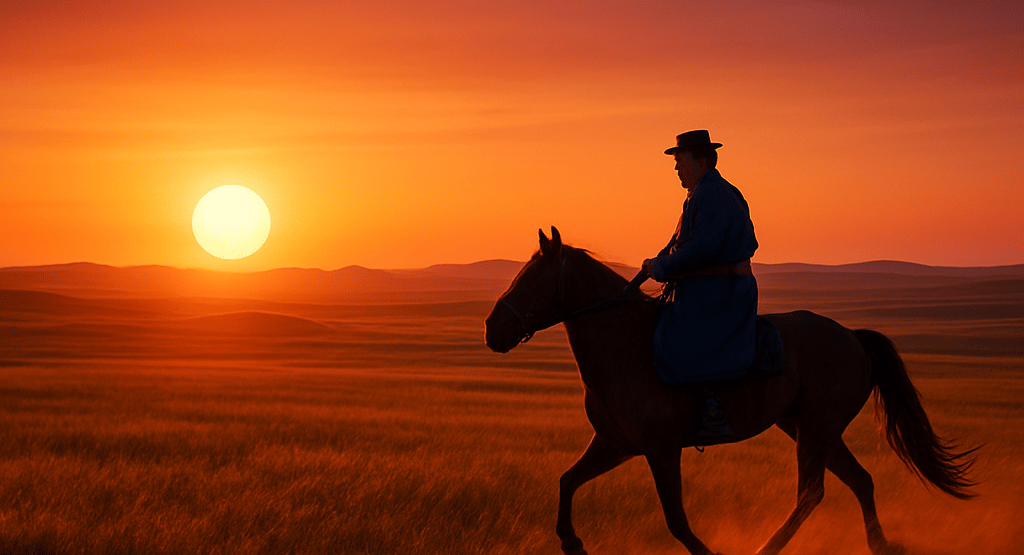
In Mongolia, light speaks a different language. With a dust-free sky, an infinite horizon, and earth tones that shift with every season, this country is the world’s largest natural studio.
Having pressed the shutter in locations ranging from the historical textures of Turkey to the turquoise clarity of the Maldives, I can confidently say: capturing the raw beauty of Mongolia is not just a technical skill—it is a matter of patience and perfect timing.
Here are my professional insights for capturing unforgettable frames on the steppe:
1. The "Extended" Golden Hour
Because of Mongolia’s high altitude and vast, flat plains, the "Golden Hour"—that magical, soft light before sunset—actually lasts longer than in most parts of the world. Whether it’s the red dunes of the Gobi or the snow-capped peaks of the Altai, the landscape begins to "glow" about 90 minutes before the sun dips below the horizon. This is the time to switch from landscapes to portraits, capturing the deep stories written on the faces of nomadic families.
2. Scale and Depth: Wide vs. Telephoto
To convey the infinite scale of the steppe, a 16mm or 24mm wide-angle lens is essential. However, my personal secret for "Nomadfollows" style shots is using a 70-200mm telephoto lens. By compressing the distance, you can pull the distant mountains closer to a galloping horse or a lone Ger, creating a layered, cinematic depth that truly represents the Mongolian vastness.
3. Dust and Wind: The Artist’s Challenge
In the Gobi or the open plains, the wind can carry fine dust that is invisible to the naked eye but deadly to a camera sensor. Always change your lenses with your back to the wind and keep your gear shielded. Part of my role during our expeditions is ensuring your equipment stays safe and clean in these rugged environments.
4. Storytelling: The Human Element
Mongolia is more than just scenery. The most powerful frames are those that show the unbreakable bond between humans and nature. A Reindeer herder’s quiet look at his lead bull, or an Eagle Hunter’s communication with his bird—these are the moments that add a "soul" to your portfolio.
Baka’s Note:
When you join a Nomadfollows expedition, we don't just follow a path; we follow the light. I don't take you to "tourist spots"; I take you to specific coordinates I’ve scouted over the last 5 years where the composition is strongest and the light hits the valley perfectly.
Because I know that when you return home, the most valuable thing you carry is a frozen moment of time that tells a story.
Which chapter of your Mongolian story will we capture first?